Starting your dream home garden can feel like an overwhelming task, but with the right approach, it becomes a fulfilling and enjoyable experience. Whether you’re looking to create a serene retreat, grow fresh produce, or enhance your home’s curb appeal, this guide provides the foundational steps you need to begin.
Benefits of Starting a Home Garden
Before diving into the process, it’s important to understand how gardening can enrich your life:
– Improved Mental Health: Gardening has been shown to reduce stress and promote relaxation.
– Fresh Produce: If you include fruits, vegetables, or herbs, you’ll enjoy fresher and healthier food options.
– Environmental Impact: Home gardens contribute positively by reducing carbon footprints and supporting pollinators like bees and butterflies.
Setting Your Goals
Start by defining your objectives for the garden. Are you looking for functionality (e.g., growing food), aesthetics (decorative plants), or both? Setting clear goals will guide your decisions through every stage of the design and maintenance process.
Ask yourself:
1. How much time can I dedicate weekly for maintenance?
2. What is my budget for materials and plants?
3. Do I prefer a low-maintenance or high-maintenance garden?
Gathering Essential Tools and Supplies
| Tool/Material | Purpose | Example Options |
| Gardening Gloves | Protect hands from dirt & thorns | Leather or rubber-coated gloves |
| Hand Trowel | Digging small holes | Stainless steel trowels |
| Pruning Shears | Trimming plants | Bypass pruners |
| Garden Spade | Turning soil | Steel spades with wooden handles |
| Watering Can/Hose | Water supply | Adjustable nozzle recommended |
Understanding Your Space
The success of any garden relies on understanding its physical space. Look at factors such as sunlight exposure, soil quality, drainage patterns, and proximity to water sources before planning where everything will go.
Key Questions to Assess Your Space:
- How many hours of direct sunlight does each section of my yard receive daily?
- Does water pool in certain areas after rain (indicating poor drainage)?
- Is there enough space for larger plants or trees without overcrowding smaller ones?
Starting Small with a Simple Layout
For beginners, it’s wise not to take on too much at once. Focus on creating a small section of your garden initially rather than trying to landscape an entire yard all at once.
Common starting points include:
– Herb Gardens: Perfect for patios or small outdoor spaces; consider growing basil, thyme, mint, etc. – Flower Beds: Add color to pathways or borders using hardy perennials like marigolds or lavender. – Container Gardens: Great if space is limited—use pots for vegetables like cherry tomatoes.
Soil Preparation Basics
Healthy soil is essential for plant growth. Perform these steps before planting anything:
1. Test soil pH levels using an affordable home testing kit—most plants thrive in neutral soils (6–7 pH).
2. Remove any weeds that could compete with new plants for nutrients. 3. Enrich the soil with organic matter such as compost or well-rotted manure.
By laying this groundwork effectively now, you’ll ensure long-term success in building your dream garden.
By taking these simple yet essential steps as outlined above—from assessing goals and gathering tools to preparing healthy soil—you’ll set yourself up on the path toward creating a stunning outdoor environment tailored perfectly to your needs and preferences.
Key Tips for Ground Preparation from Top Landscapers Boston
Proper ground preparation is a crucial step in ensuring the success of any landscaping project. A well-prepared foundation allows plants to thrive, prevents drainage issues, and creates a professional, polished appearance for your outdoor space. Below are the essential steps for preparing your ground properly before starting your landscaping project.
Tips from a Boston MA Landscaper: Assessing Your Soil
The first step in ground preparation is understanding the type of soil you’re working with. Different types of soil, such as clay, sandy, or loamy soil, have varying characteristics that can affect plant growth.
- Test Soil pH: Use a simple home testing kit to check the pH level of your soil. Most plants prefer a slightly acidic to neutral pH range (6.0–7.0).
- Check Drainage: Perform a drainage test by digging a small hole and filling it with water. If it drains within an hour or two, the soil has good drainage; if not, amendments may be necessary.
Preparing Your Yard with a Boston MA Landscaping Company
Remove all unwanted vegetation and debris from the area where you plan to work. This step is critical to avoid competition between weeds and your chosen plants or grass.
- Remove weeds using tools like hoes or weed pullers.
- Cut back overgrown vegetation that may overshadow other areas.
- Collect rocks, sticks, and other debris that could interfere with planting.
How to Level the Ground for Lawn Care Boston MA
Grading and leveling help establish an even surface while promoting efficient water runoff and preventing pooling in unwanted areas.
Steps for leveling:
1. Use stakes and string to mark out key slopes or flat areas. 2. Fill low spots with topsoil or sand. 3. Use a garden rake to smooth out smaller imperfections.
For larger projects requiring precision grading, consider renting specialized equipment like compactors or mini-excavators.
1. Improve Soil Quality
- Add organic matter like compost for nutrient enrichment.
- Mix in sand for improved drainage if working with dense clay soils.
- Incorporate peat moss to increase moisture retention in sandy soils.
- Apply fertilizer based on recommendations from soil tests.
| Amendment Type | Benefit | Best For |
| Compost | Adds nutrients | All types of soil |
| Sand | Improves drainage | Clay soils |
| Peat Moss | Increases moisture retention | Sandy soils |
2. Address Irrigation Needs
- Install drip irrigation systems for precise watering around plant roots.
- Consider sprinklers for larger grassy areas.
- Ensure proper placement of hoses or timers if using manual irrigation methods.
A well-planned irrigation system will save time while ensuring plants stay healthy throughout seasons.
3. Compact the Soil
Steps: 1. Lightly mist the area after raking it smooth to settle loose particles. 2. Use a roller tool or hand tamper for compacting smaller spaces evenly. 3. Check again for levelness after compacting before proceeding further into planting stages.
Ground preparation might feel tedious but investing effort into this stage lays down vital groundwork—literally—for lasting success throughout every phase of landscaping development ahead!
Essential Steps for Ground Preparation in Landscaping Projects
Proper ground preparation is a critical step in ensuring the success of any landscaping project. Without a solid foundation, even the most carefully selected plants and designs may fail to thrive. Follow these essential steps to prepare your outdoor space effectively.
1. Assess Your Soil Quality
The first step in ground preparation is understanding your soil type and condition. Poor soil can hinder plant growth, while nutrient-rich soil promotes healthy roots and vibrant landscapes.
- Test Your Soil: Use a soil testing kit or consult with a local extension service to determine pH levels, nutrient content, and texture.
- Amend as Needed: Based on the test results, amend the soil with organic matter, compost, or fertilizers to improve its quality.
- Drainage Check: Make sure the soil has proper drainage to avoid water pooling that can damage plants.
2. Clear the Area
Clear any debris, weeds, or obstacles from the site before starting your project.
- Remove large rocks and roots that can interfere with planting.
- Eliminate existing weeds by hand-pulling or using an eco-friendly herbicide.
- Dispose of plant debris responsibly by composting or using appropriate waste services.
3. Level and Grade the Landscape
Leveling the ground ensures stability and prevents problems such as water runoff or puddling.
Steps for leveling:
1. Use a shovel or tiller to break up compacted areas.
2. Fill low spots with topsoil or sand to create an even surface.
3. For larger projects, consider using heavy-duty equipment like a skid-steer loader for grading.
Grading helps direct water away from foundations or sensitive areas of your yard while promoting better drainage overall.
4. Plan for Irrigation Systems
| Irrigation Type | Best Use Case | Advantages |
| Drip Irrigation | Shrubs, flower beds | Water-efficient; delivers moisture directly into roots |
| Sprinkler System | Large lawns | Covers wide areas evenly |
Planning ahead ensures there’s minimal disruption later on when adding plants to your landscape design.
5. Aerate Compacted Soil
- Use core aerators for clay-heavy soils.
- Manually loosen smaller areas with a garden fork.
Aerating improves water penetration and allows air into root zones for healthier plant growth.
6. Apply Mulch Appropriately
- Mulch helps retain moisture in freshly tilled soil.
- It reduces weed growth during early stages of landscaping projects.
- Organic mulches like wood chips add nutrients back into the soil over time.
Apply mulch evenly at about 2–3 inches thick but avoid piling it against tree trunks as this can encourage disease.
By following these essential steps for proper ground preparation in landscaping projects, you’ll create a strong foundation for healthy plants and beautiful design elements that will stand out year-round. Taking time upfront ensures long-term success while minimizing maintenance challenges down the road!
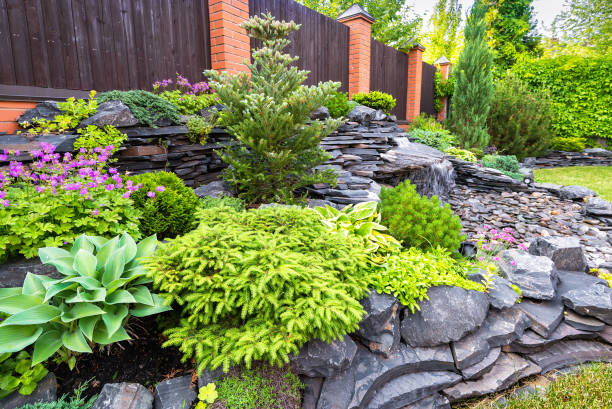
Top Tips for Choosing the Best Plants to Transform Your Outdoor Space
Choosing the right plants is a crucial step in creating a vibrant, visually appealing outdoor space. The type of plants you select will determine not only the aesthetic appeal but also the functionality and sustainability of your landscape. Below are some practical tips and insights to help you make informed plant choices for your landscaping project.
Analyze Your Garden’s Conditions
- Sunlight Exposure: Determine how much sunlight different areas of your yard receive throughout the day. Some plants thrive in full sun, while others prefer partial shade or full shade.
- Soil Type: Conduct a basic soil test to identify whether you have sandy, clay-based, or loamy soil. Each soil type has distinct drainage and nutrient characteristics that affect plant growth.
- Climate Zone: Check your USDA Hardiness Zone or equivalent local classification to identify which plants will thrive in your region’s temperatures year-round.
- Water Availability: Consider how much water you can consistently provide and whether drought-tolerant plants may be a better long-term choice for your area.
Match Plants with Purpose
- Privacy Screens: Use tall shrubs or trees like arborvitae, bamboo, or holly for natural barriers that create privacy in outdoor areas.
- Pollinator Support: Plant flowers like lavender, coneflower, and milkweed to attract bees, butterflies, and other pollinators essential for maintaining biodiversity.
- Ground Cover: Select low-maintenance options such as creeping thyme or sedum for filling open spaces while preventing soil erosion.
- Seasonal Interest: Mix evergreen species with deciduous trees and flowering plants that bloom at varying times throughout the year for year-round appeal.
Focus on Native Species
- Require less watering and fertilization compared to exotic species
- Provide food sources and habitat for local wildlife
- Are more resistant to pests and diseases common in their native ecosystem
Explore resources like regional gardening guides or consult with local nurseries specializing in native vegetation.
Choose Low-Maintenance Plants if Time is Limited
| Plant Type | Examples | Key Benefits |
| Drought-Tolerant | Succulents (e.g., aloe vera), cacti | Thrive with minimal water |
| Perennials | Daylilies, hostas | Return every year without replanting |
| Ornamental Grasses | Fountain grass, blue fescue | Add texture; require little pruning |
Avoid These Common Mistakes When Selecting Plants
- Ignoring Mature Size: Research how large each plant will grow at maturity to avoid overcrowding or blocking windows/pathways.
- Overplanting Too Soon: Resist the urge to fill every space immediately; allow room for growth over time.
- Not Considering Maintenance Needs: Avoid high-maintenance species unless you’re prepared to invest significant time into care.
By carefully evaluating these factors and strategies before making decisions about plant selection, you’ll be well-equipped to create an inviting outdoor landscape tailored perfectly to your preferences and environment needs.
Effective Planting Methods to Enhance Your Home Landscape Design
Effective planting methods can transform your home landscape into a thriving, picturesque space. By choosing the right techniques, you not only enhance the beauty of your garden but also ensure that plants grow healthily and sustainably. Below, we explore key steps and strategies to elevate your landscaping project.
Plan Before You Plant
- Plant Spacing: Ensure that plants have enough space to grow without overcrowding. Research mature plant sizes beforehand.
- Sunlight Requirements: Group plants based on their light needs—shade-loving plants shouldn’t be placed in full sun areas and vice versa.
- Seasonal Variability: Choose a mix of perennials, annuals, or evergreens to maintain visual interest throughout the year.
Soil Preparation for Optimal Growth
- Test Your Soil: Conduct a soil test to determine pH levels, nutrient availability, and drainage quality.
- Amend as Needed: Improve poor-quality soil by adding compost, organic matter, or specific fertilizers as recommended from test results.
- Aerate the Soil: Break up compacted soil using a tiller or spade to improve water absorption and root penetration.
- Mulching: After planting, apply mulch around your plants to retain moisture and reduce weed growth.
| Common Amendments | Purpose |
| Compost | Improves nutrient content |
| Lime | Raises pH level (reduces acidity) |
| Sulfur | Lowers pH level (increases acidity) |
| Perlite | Enhances drainage |
Proper Planting Techniques
- Digging Holes Correctly: Dig holes at least twice as wide as the root ball of your plant but no deeper than its height to avoid water pooling at the roots.
- Position Plants at Soil Level: Ensure that stems are positioned at ground level; burying them too deep may lead to rot while shallow planting can expose roots.
- Water Immediately After Planting: Water newly planted shrubs and flowers thoroughly to help settle them into the soil.
- Group Plants with Similar Needs Together: This simplifies maintenance tasks like irrigation while creating harmony in growth patterns.
Use Companion Planting for Added Benefits
- Pair marigolds with vegetables like tomatoes or peppers as their scent deters nematodes and aphids.
- Lavender acts as an excellent companion for roses by repelling pests such as moths and whiteflies.
Maintenance Is Key
- Regularly prune overgrown branches for proper air circulation.
- Fertilize periodically based on specific plant requirements.
- Monitor irrigation systems for consistent water delivery without overwatering.
By applying these principles of effective planting methods along with proactive maintenance practices, you will create a vibrant and enduring home landscape design tailored perfectly to your outdoor goals.
Proven Strategies for Preventing Pests in Your Beautifully Landscaped Garden
Pests can quickly disrupt the beauty and health of your landscaped garden. Implementing effective strategies to prevent these unwelcome visitors is essential to maintaining a thriving outdoor space. Here are some proven techniques to help you protect your garden and enjoy its full potential.
Understand Common Garden Pests
To prevent pests effectively, it’s important to identify which ones are common in your area. Some of the most frequently encountered garden pests include:
– Aphids: Small insects that feed on plant sap, causing leaves to yellow or curl.
– Slugs and Snails: Responsible for holes in leaves and damaged seedlings.
– Caterpillars: Known for chewing through foliage and fruits.
– Spider Mites: Tiny pests that create webbing on plants and cause leaf discoloration.
Understanding their behavior, life cycles, and preferred plants will help you take targeted action.
Maintain Garden Health
- Regularly remove weeds that may harbor pests or compete with plants for nutrients.
- Use organic compost or fertilizers to nourish soil health and boost plant immunity.
- Water plants at the base rather than overhead to reduce fungal diseases that can attract pests.
Encourage Natural Predators
| Beneficial Insect | Target Pest | How They Help |
| Ladybugs | Aphids | Consume aphids and other soft-bodied insects. |
| Lacewings | Caterpillars | Feed on caterpillar eggs and larvae |
| Parasitic Wasps | Whiteflies | Lay eggs inside whiteflies, neutralizing them. |
| Ground Beetles | Slugs | Prey on slugs, snails, and other ground-dwelling pests. |
Plant flowers such as marigolds, daisies, or dill to attract these beneficial insects naturally.
Practice Companion Planting
- Marigolds: Repel nematodes and beetles when planted alongside vegetables like tomatoes.
- Basil: Keeps mosquitoes away while benefiting crops like peppers or eggplants.
- Lavender: Discourages moths near roses or cabbage beds.
This method not only reduces pest activity but also enhances biodiversity within your landscape design.
Use Organic Pest Control Methods
- Neem Oil Spray – Effective against aphids, spider mites, and whiteflies without damaging beneficial organisms.
- Diatomaceous Earth (DE) – A natural powder effective at deterring slugs while remaining safe for humans.
- Homemade Garlic Spray – Acts as an excellent deterrent due to its strong aroma disliked by many insects.
Always apply these remedies early in the morning or late afternoon when beneficial insects are less active.
Regular Monitoring
Consistent observation is key in preventing pest outbreaks before they escalate into more serious problems. Inspect leaves (topside and underside), stems, flowers, and soil regularly for signs of damage such as discoloration, holes, webbing, stunted growth patterns etc.
By applying these strategies consistently across seasons will safeguard both productivity aesthetics ensuring professional appeal throughout long terms.
- The Top Benefits of Regular Lawn Mowing with a Boston MA Landscaper
- A Comprehensive Beginners Guide to Boston Landscaping and Starting Your Dream Home Garden
- Key Traits to Seek in the Best Landscapers Boston Has to Offer
- Find the Best Boston MA Landscaping Company for Your Dream Landscape Project
- Boston MA Landscaper: Comprehensive Guide to Elevating Your Outdoor Spaces
- Important Questions to Ask Before Hiring a Boston Landscaping Company